

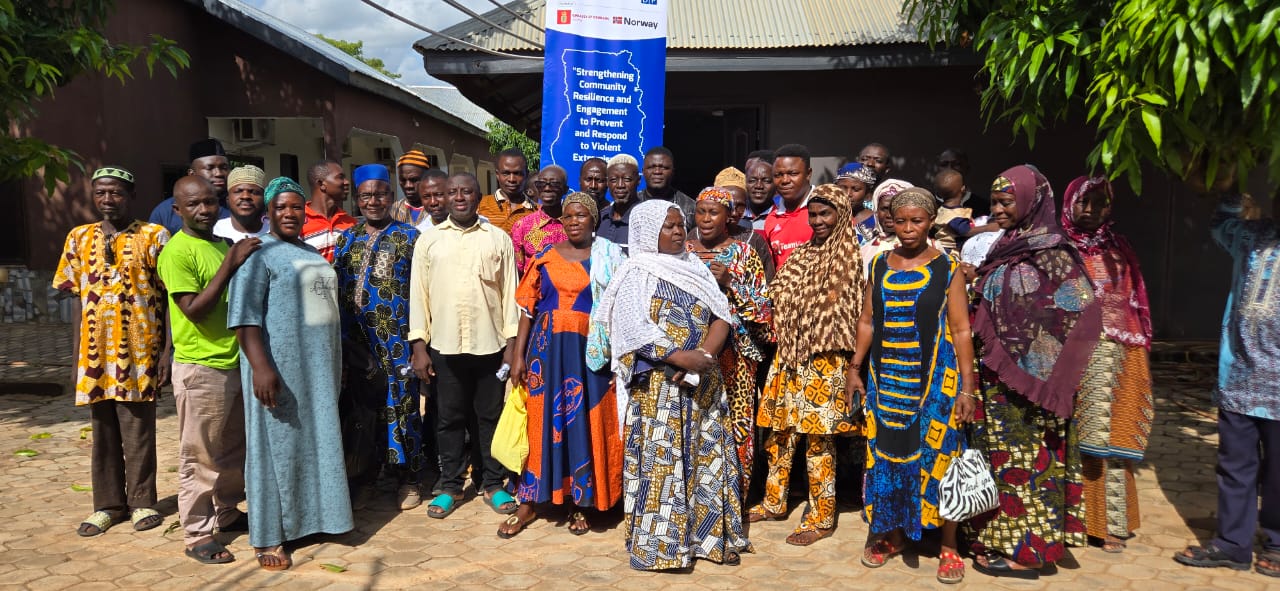
The Upper West Regional Peace Council (UWRPC) has underscored the critical role of responsible information management in preventing violent conflict and violent extremism, warning that misinformation, disinformation and inflammatory narratives can deepen divisions, fuel tensions and undermine social cohesion, particularly in vulnerable communities.
The Council made the call during a two-day workshop for media practitioners, faith leaders, youth leaders and women leaders from the Sissala East and Sissala West areas.
The workshop, held at the Saleti Guest House in Tumu on 12 and 13 August 2026, was organised in partnership with the United Nations Development Programme (UNDP), with funding support from the Governments of Norway and Denmark. It forms part of the “Preventing and Responding to Violent Extremism in the Atlantic Corridor” project and brought together approximately 45 participants.
Speaking at the workshop, Professor Samuel Marfo, a member of the UWRPC, noted that false information, hate speech and other forms of information disorder can amplify existing grievances, erode trust among communities and create conditions that may be exploited to incite conflict and extremist ideologies. He stressed that countering negative narratives is essential for building resilience, strengthening community relations and promoting peaceful coexistence.
Participants were equipped with practical skills to identify misinformation, verify information before publication or dissemination, and develop positive and alternative narratives that promote dialogue, tolerance and mutual understanding. Discussions also explored the influential role of community leaders, religious authorities, women and youth in shaping public perceptions and fostering a culture of peace.
Mr Clifford Tampuori, Executive Secretary of the UWRPC, emphasized that preventing violent conflict and extremism requires collective action from all segments of society. He called on media practitioners, traditional and religious leaders, youth groups, women leaders, civil society organizations and state institutions to work together in addressing harmful narratives and promoting credible, balanced and peace-oriented communication.
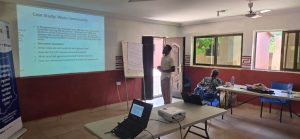
“Countering negative narratives cannot be left to government institutions alone. Every stakeholder has a role to play in promoting accurate information, challenging misinformation and building community resilience against messages that seek to divide us,” Mr Tampuori stated.
He further encouraged participants to become “responsible information gatekeepers and peace ambassadors,” particularly in border communities that may be exposed to misinformation and extremist propaganda. He noted that adopting a simple principle of “verify before you share” can significantly reduce the spread of content that fuels fear, hatred, mistrust and division.
The workshop forms part of ongoing efforts under the Atlantic Corridor initiative to strengthen community resilience, promote social cohesion and empower local actors to contribute actively to peace building and the prevention of violent extremism in northern Ghana and border communities.

