
Wiyaala has never sought to fit in. As a commanding force in contemporary African music, the Northern Ghana-born artist operates in a parallel universe, one where the prevailing currents of Afrobeats, Amapiano, and Drill are welcome background noise but never the main event. Her fourth studio album, Segerige (The Unknown/Wilderness), is not just a musical statement; it is a declaration of cultural independence, a fiercely personal journey from the bright lights of the city back to the ancestral soil of Funsi, where the “Lioness Kingdom” is being built block by block.
The Music: A Fusion of Fire and Tradition
Segerige is a masterful collaboration with The Yaga Yagas, who provide a sophisticated, muscular framework for Wiyaala’s raw, multilingual power. The album’s defining musical style is Afro-Folk/Afro-Rock Fusion, blending traditional instruments (Cow Bell, Calabash) and rhythms with the heavy texture of Classical Guitar, Electric Guitar, Piano, and Synthesizers. Where commercial Ghanaian and Nigerian music today is often characterized by slick, Auto-Tuned vocals, heavily sequenced drums, and melodic simplicity, Wiyaala’s work is gloriously organic, aggressive, and complex. The production, engineered by Janez Križaj between The Lioness of Africa Studios Funsi, Ghana and Studio Metro Ljubljana, gives the traditional elements a contemporary rock-band punch, prioritizing poly-rhythm and instrumental density over minimalist pop structure.
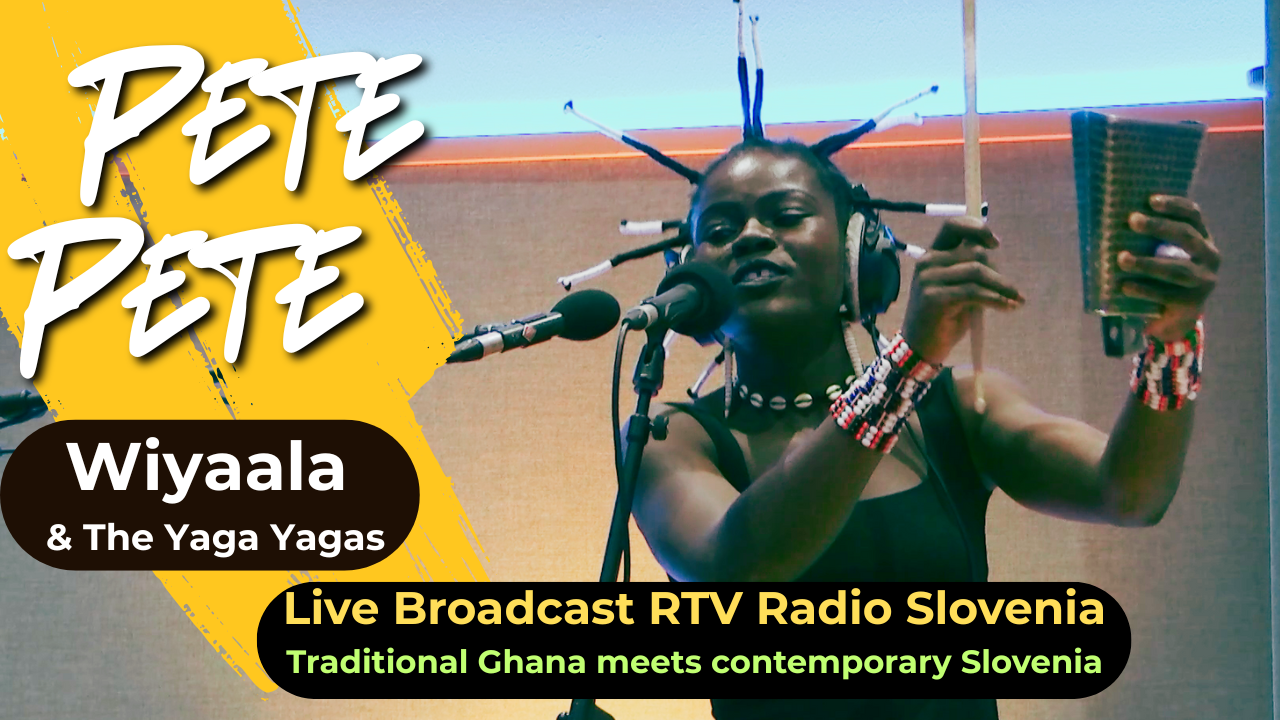
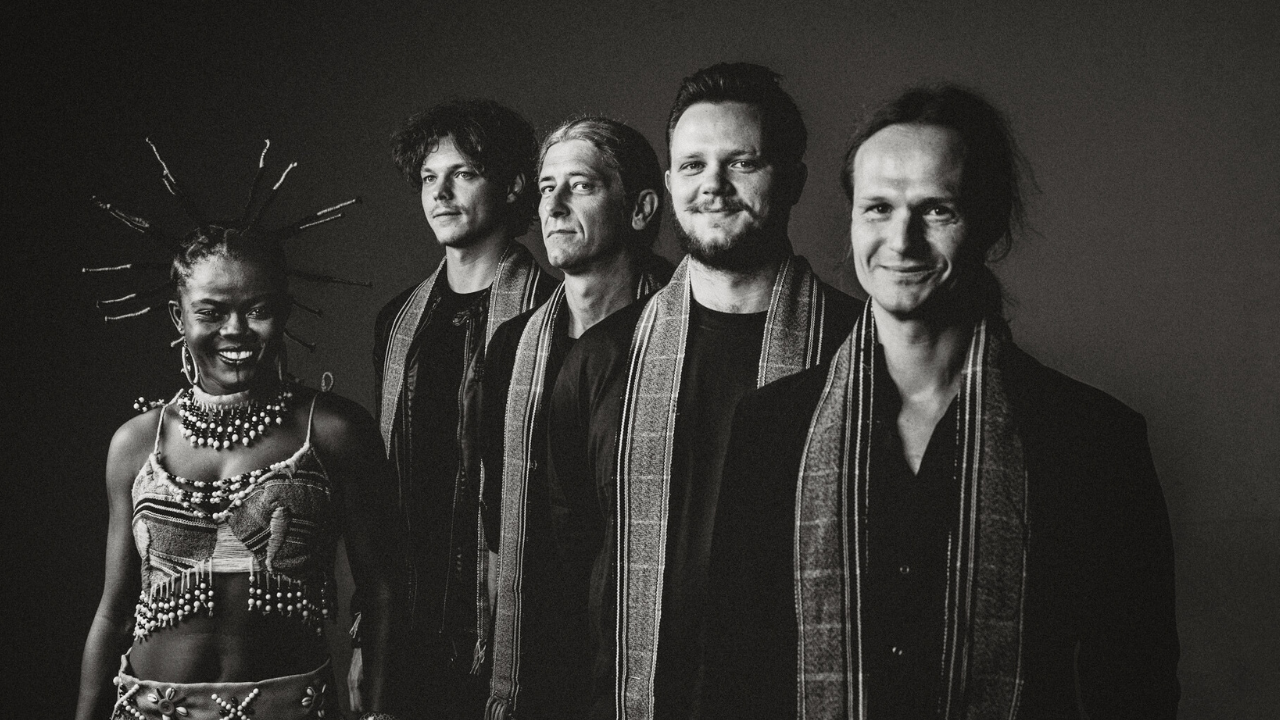
The collaboration with The Yaga Yagas elevates Segerige beyond typical World Music arrangements. The Slovenian-based ensemble—featuring Miha Petric’s crisp Classical Guitar set against Nejc Škofic’s swirling Electric Piano and Synthesizers—creates a fascinating tension. This isn’t polite fusion; it’s a deliberate sonic friction. Listen to the interplay on tracks like the traditional “Pete Pete” (Vulture Vulture), where the seemingly playful call of the Sissala rhythm is underscored by a heavy, almost brooding rock bassline (Jošt Lampret), suggesting that even a simple folklore song carries an immense, elemental weight. The drums and percussion (Žiga Kožar) often hold the traditional pulse firm while the melodic instruments are allowed to roam free, creating a vibrant, yet structured, Afro-European musical dialect.
Wiyaala’s Voice: The Primal Instrument
Wiyaala’s vocal delivery is the gravitational centre of the album. Her style defies easy categorization, swinging wildly between a resonant, earthy tone(perfectly suited for the defiance of “Energy” and a clear, soaring alto that carries the philosophical weight of “Scorpion.” Crucially, her use of multilingual delivery is not just cultural homage; it is a performance strategy. On a track like “Pretty Doll,” her inner child carries the sweet, simple request of the traditional lyrics. In contrast, on the final track “Energy,“ her voice is a percussive force—a chant of identity that cuts through the thickest instrumental mix, ensuring that no listener can mistake her power or her message.
The Core Narrative: Accepting the Sting and Returning Home
The album’s conceptual power is drawn directly from Wiyaala’s personal history and her mission. Her early life and career, marked by a constant struggle for authenticity against urban commercial pressures, set the stage for this album’s core lyrical metaphors.
The three key traditional tracks lay out the psychological roadmap of her momentous decision to return home to Funsi:
- “Scorpion (Kuli Wa Yiri)”: This is the thesis statement. The “scorpion” represents the hardship, pain, and skepticism that critics warned awaited her. “Even if there is a scorpion waiting for you at home / Go home and accept the sting.” It’s a powerful call to courage, affirming that her Dagaaba and Sissala heritage is worth the pain.
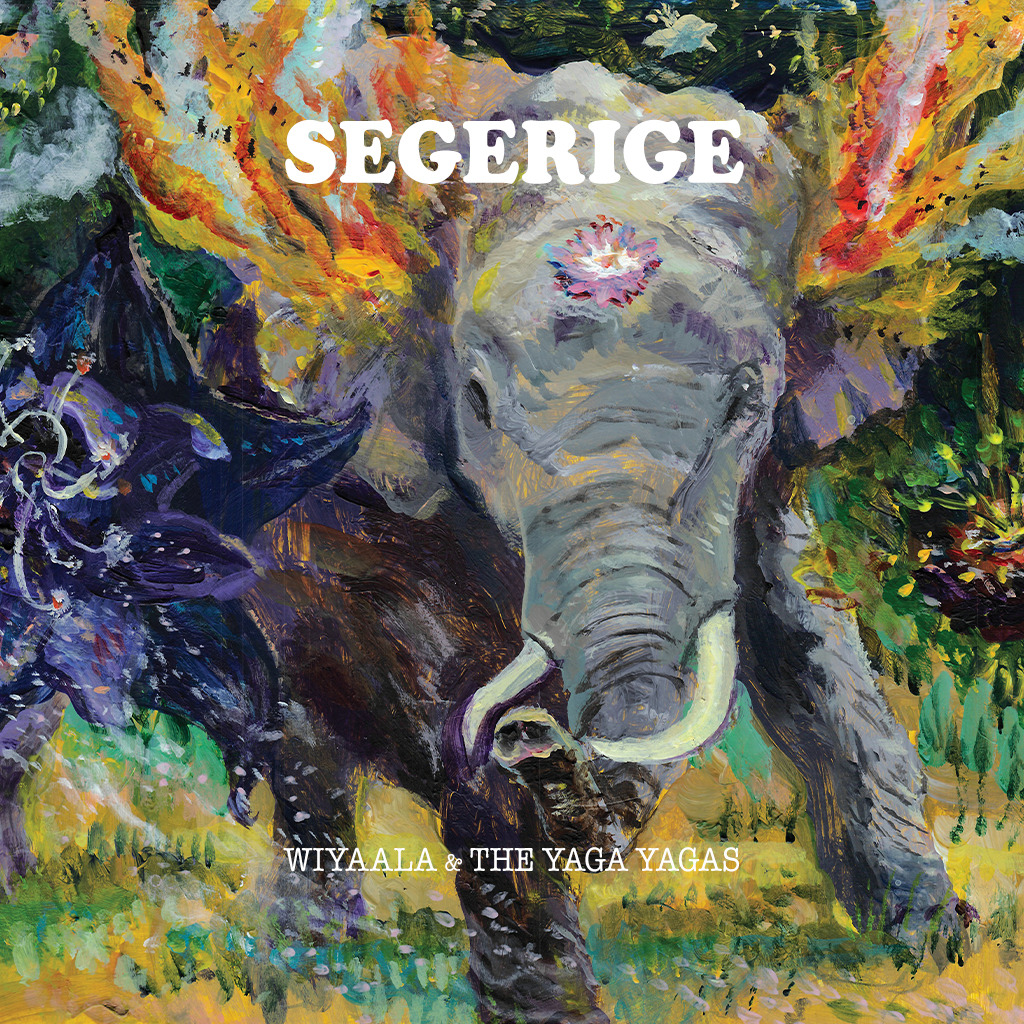
- “Segerige (Wilderness/The Unknown)”: The title track acknowledges the vast, unpredictable nature of her new endeavor. “The Elephant’s ears are on fire / In the wilderness… Come what may, we are ready / For the unknown.” It is an anthem of adventurous commitment, embracing the future of her rural development project.
- “Merikaka Zuri” (African Brush Tailed Porcupine): This traditional song embodies stubborn refusal—the refusal to listen to advice, the refusal to follow the accepted path. This is Wiyaala’s self-portrait as the outsider, the rebel artist who defied the urban wisdom that warned her going home would “crush her career.”
The album is balanced by more tender tracks like the gratitude prayer “Dannu” and the romantic folk of “N-nugnaa.” Furthermore, her decision to cover classics like Osibisa’s “Welcome Home” (the album’s spiritual centerpiece) and King Ayisoba’s “I Want To See You My Father” anchors the work within a tradition of Ghanaian musical and social commentary.
Sequencing and The Lioness Kingdom
The album’s flow is meticulously curated. The sequencing smartly juxtaposes traditional warnings (“Scorpion”) with Ghanaian realities (“I Want To See You My Father”) before providing respite in the prayerful “Dannu.” By doing this, Wiyaala asserts that her music is the engine room of the Lioness Kingdom—the energy that is building her Arts Centre and creating jobs in Funsi.
The final track, “Energy” acts as a celebratory, self-referential conclusion. By explicitly naming her languages and thanking listeners for loving the “vibe,” Wiyaala effectively frames the entire record as a source of her own power, using the music not to ask for approval, but to affirm her purpose: the energy that built her Lioness Kingdom is now crystallized in the final groove of the album.
Segerige is a dense, necessary listen. It is not an album of escapism but one of confrontation, resilience, and profound love for community. It proves that the most exciting place for African music is often where the artists themselves are willing to go back and accept the sting.
Live Performances
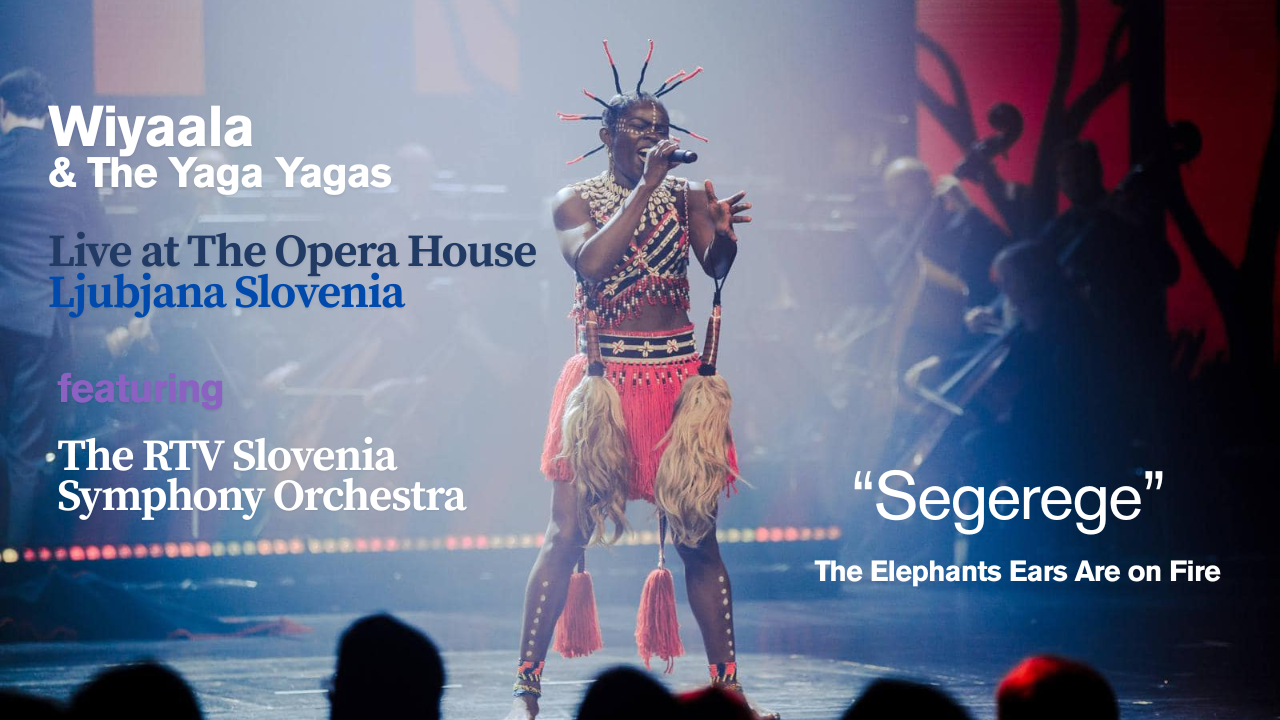
Watch Segerige live here on Youtube