

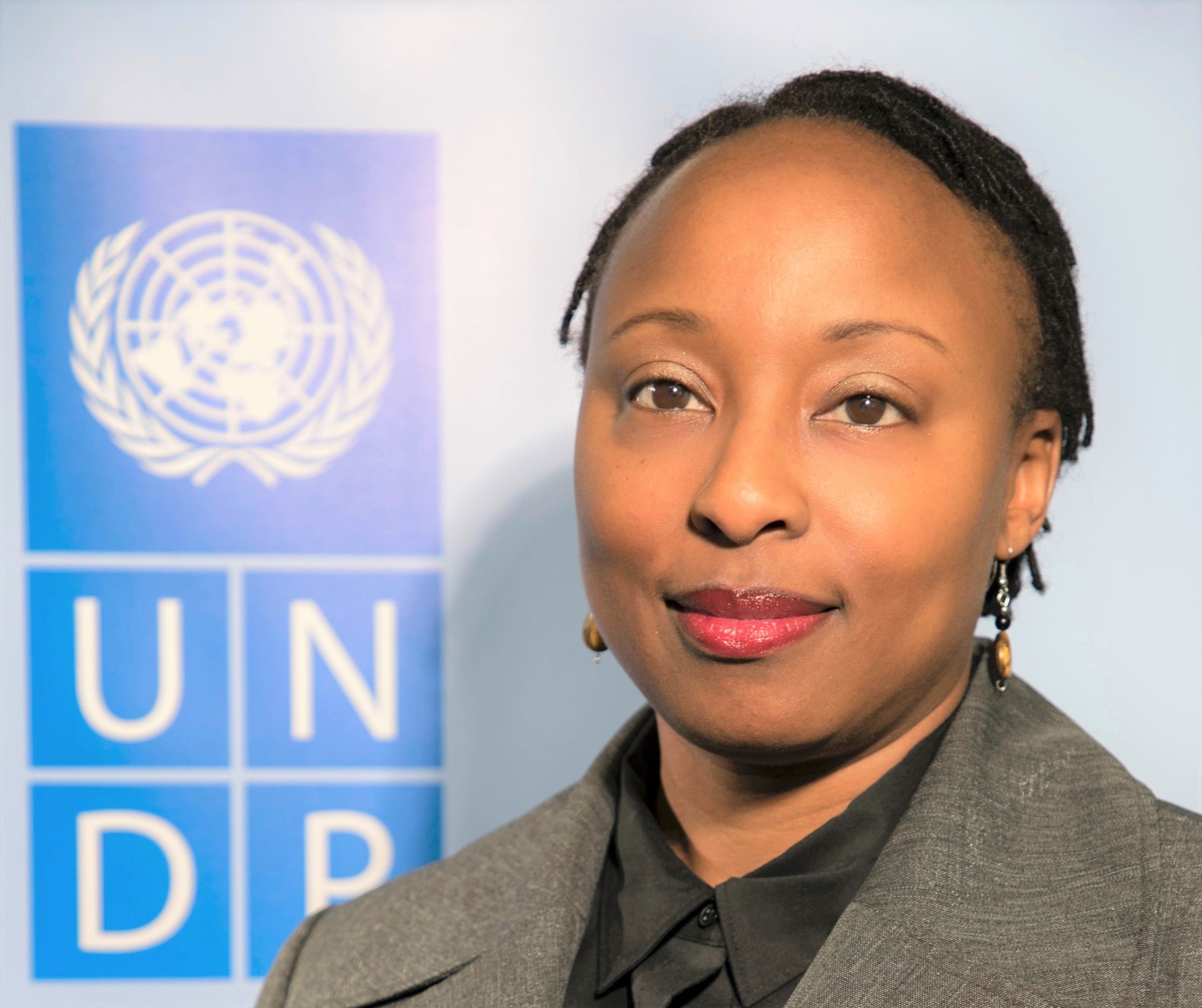
The United Nations Development Programme (UNDP) Ghana Resident Representative, Dr. Angela Lusigi, warned that publishing discriminatory views against minority groups can fuel radicalization and violent extremism.
She made this statement during a training session for journalists on hate speech and counter-narratives in Tamale. Dr. Lusigi emphasized the importance of responsible reporting and the need to promote inclusive and respectful media coverage, particularly when addressing sensitive topics related to minority groups.
Dr. Lusigi stated that, through the dissemination of counter-narratives, the media can contribute to combating hate speech by sharing views that instead encourage inclusion, equality, and stability.
‘’Indeed, as media stakeholders, you play a key part in promoting an environment that promotes human rights, democratic values, and peace and stability’’.
‘’Recognizing the gravity of these issues, UNDP in partnership with UNESCO and the wider UN team, is committed to addressing hate speech, disinformation and misinformation, in line with the UN Strategy and Plan of Action on Hate Speech’’ she said.
She added, in Ghana, the National Peace Council (NPC) and the National Media Commission (NMC) have published guidelines on hate speech and other forms of indecent expressions.
Fact-checking, according to Mr. Kwaku Krobea Asante, the team lead at Fact-Check Ghana says Fact-checking is a type of accountability journalism that holds public speakers, in particular, accountable for the veracity of their claims.
Krobea stated that in order to properly fact-check a claim, a journalist needs to be able to identify the source of the claim, Contact them where necessary, Visit the sources, Analyse the possible scenarios, be very independent, comprehensive, and transparent during your verification.
Speaking about the techniques a journalist can employ to undertake good fact-checking, he mentioned field observation, email correspondence, desktop review (content analysis, video textual analysis), and interviews. Adding that the claim must contain at least one fact or figure whose truthfulness can be objectively verified.

